Government
Flash flooding triggers evacuations, rescues in North Georgia
By Gregory Patel
Advertisement · Why this ad?
Gregory is a political science graduate from the University of Alabama who transitioned from working at local radio stations to print journalism. With over 6 years of experience covering local government and community affairs, he gives a voice to underrepresented issues in local policy.
More from Gregory →
On a quiet mountain morning, families in McCaysville and Copperhill awoke to a nightmare unfolding in real time. The Toccoa River, normally a gentle flow through this picturesque valley, surged with unprecedented force, swallowing roads and threatening homes. The swift, destructive flood was not just a natural disaster— it was a stark reminder of how geography and weather can combine to turn serenity into chaos. For residents of this region, the recent flood underscores the critical importance of understanding local terrain and climate patterns, especially as climate change continues to influence weather extremes.
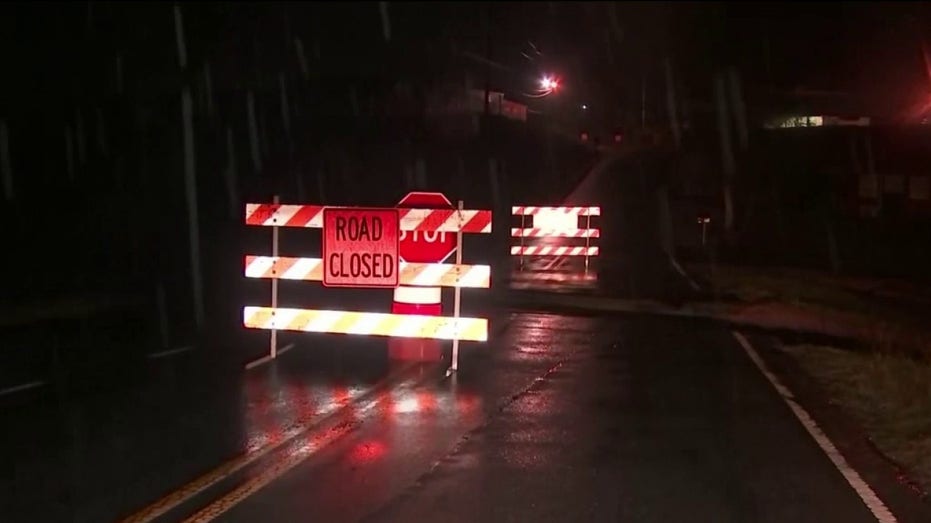
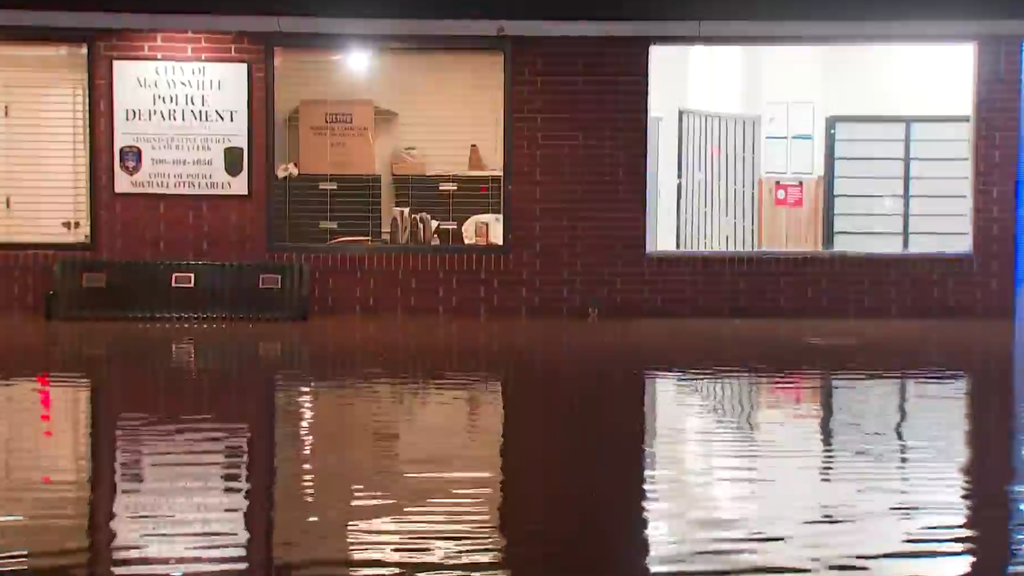
Heavy rainfall in the steep mountain terrain surrounding McCaysville, Georgia, and Copperhill, Tennessee, triggered a flash flood that crested at an alarming 18 feet on the Toccoa River. Within just 12 hours, the river’s level soared 16 feet, with the most intense surge occurring over a mere three hours. This rapid rise overwhelmed the river’s banks, inundating downtown roads and intersections with debris, including massive logs measuring up to four feet in diameter. The event was so intense that it overwhelmed local infrastructure and left many residents scrambling for safety.
The flooding was so intense that it pushed the river hundreds of yards beyond its normal confines, flooding entire neighborhoods and disrupting daily life for residents. Bridges, critical arteries of transportation, were overtaken by the rushing waters, with debris piling against supports and threatening structural integrity. The swift nature of this flood left little time for evacuation or preparation, catching many residents off guard. Such rapid flooding events are becoming more common in mountain regions, highlighting the need for improved early warning systems and community preparedness.
The steep mountain ridges around McCaysville and Copperhill played a pivotal role in amplifying the flood’s severity. Torrential rain soaked the peaks rather than the towns themselves, quickly funneling runoff downhill into the river basin. This concentrated flow of water overwhelmed the natural drainage systems, which could not handle the volume. As FOX 5 Meteorologist Alex Forbes explained, the rapid runoff caused the Toccoa River to swell far beyond its normal capacity, overtopping bridges and inundating streets. This process, known as orographic rainfall, is especially intense in mountainous regions, where high elevations trap moist air and produce heavy precipitation.
The immediate aftermath saw residents scrambling to assess the damage. Local officials activated emergency response teams, working tirelessly to clear debris and assist those stranded or displaced. The historic town of McCaysville, with its charming downtown and shared border with Copperhill, faced an uncertain future as floodwaters receded, revealing the extent of the destruction.
Many homeowners faced the heartbreaking reality of flooded basements and damaged property. Businesses, some of which have operated for generations, suffered losses that threaten their livelihood. The community’s resilience was evident as neighbors banded together, helping with cleanup and supporting each other through the crisis. The flooding underscored the importance of strong family bonds and faith, as many turned to prayer and community support amid adversity. Local emergency services worked around the clock to provide aid, highlighting the importance of community cohesion in disaster response.
While the immediate danger has passed, questions remain about the long-term safety and mitigation strategies for this mountain basin. Engineers have yet to complete comprehensive safety assessments on the bridges and drainage infrastructure, leaving uncertainty about potential structural damage. Additionally, local leaders have not yet outlined plans for flood mitigation projects that could prevent or lessen future disasters.
Officials are now considering whether to implement new flood control measures, such as improved drainage networks or barriers, to better manage the rapid runoff from mountain storms. The community’s experience serves as a stark reminder of the need for proactive planning in areas where natural geography amplifies weather events. As climate patterns shift and storms potentially grow more intense, these towns must prepare to protect their homes and heritage. Historically, this region has experienced periodic flooding, but recent events suggest that climate change may be increasing both the frequency and severity of such disasters, prompting urgent calls for resilient infrastructure investments.
For families in McCaysville and Copperhill, the road to recovery will involve more than rebuilding structures. It’s about restoring confidence that their homes and livelihoods are safe from the next storm. Community leaders emphasize the importance of faith, family, and strong local institutions—cornerstones of a resilient community rooted in shared values and commitment.
As the region reflects on this historic flood, the focus turns to planning and prevention. Investments in flood mitigation, infrastructure upgrades, and emergency preparedness are essential to safeguarding this mountain community. The lessons learned from this event highlight the enduring importance of understanding our natural environment and respecting its power, especially in a landscape shaped by steep slopes and rapid watershed runoff. Local government agencies, along with state and federal partners, are now being urged to prioritize comprehensive flood risk assessments and infrastructure resilience projects.
In the end, McCaysville’s story is a testament to the enduring strength of community and faith in the face of nature’s fury. With careful planning and a unified spirit, this mountain town will weather future storms, holding fast to the American ideals of family, faith, and perseverance. The event also serves as a wake-up call for neighboring communities in North Georgia and beyond, emphasizing the need for proactive measures to adapt to a changing climate and increasingly unpredictable weather patterns.
Ultimately, McCaysville’s experience exemplifies the need for a proactive approach to disaster preparedness in mountain communities. While natural geography can’t be changed, understanding and respecting it can help reduce vulnerability. The community’s resilience, combined with strategic planning and investment, will determine how effectively it can navigate the increasing challenges posed by climate change and severe weather events.
By Gregory Patel

By Devon Wright

By Gregory Patel
By Cynthia Blake